In the first episode of Black Photojournalism, artist Hank Willis Thomas talks about growing up in a household that hosted numerous Black photojournalists and how that influenced his practice. Host Mark Whitaker and Charlene Foggie-Barnett, community archivist for the Charles “Teenie” Harris archive, discuss their personal connections to Pittsburgh and the rich Black history of the city.
Black Photojournalism Episode 1: Pittsburgh
Podcasts
Oct. 22, 2025
Contributors in this Episode
Mark Whitaker is the former editor of Newsweek and the first African American to lead a national newsweekly. He then served as Washington Bureau Chief for NBC News and Managing Editor of CNN Worldwide. Whitaker’s memoir My Long Trip Home was a finalist for the Los Angeles Times Book Prize. His social histories Smoketown: The Untold Story of the Other Great Black Renaissance and Saying it Loud: 1966—The Year Black Power Challenged the Civil Rights Movement were both named among the best nonfiction books of the year by The Washington Post. His most recent book is The Afterlife of Malcolm X: An Outcast Turned Icon’s Enduring Impact on America (2025) published by Simon & Schuster.
Photographer and abstract painter Adger Cowans was born in 1936 in Columbus, Ohio. Influenced by photographers in his family, he pursued a bachelor’s degree in photography from Ohio University in 1958, where he studied with Clarence H. White Jr. Disillusioned by racial injustices in the US South as well as locally, and in search of a Black mentor, Cowans left for New York and called Gordon Parks, whom he had met once before. Parks welcomed Cowans into his home and brought him along on Life assignments that summer. He said that “Gordon’s big lesson was taking anger and transforming it into work.” Cowans was then drafted into the US Navy and at the end of his service, in 1960, he returned to New York, where he cofounded the Kamoinge Workshop in 1963. He was honored with the “Lorenzo il Magnifico” Lifetime Achievement Award at the 2001 Florence Biennale of Contemporary Art.
Charlene Foggie-Barnett is the Charles “Teenie” Harris community archivist at Carnegie Museum of Art, where she oversees the collection of more than 78,000 images. She serves on the executive boards of the August Wilson House, the Afro-American Historical and Genealogical Society, and the historic Aurora Reading Club, all in Pittsburgh. Previously, Foggie-Barnett served on the executive boards of the Pittsburgh NAACP, Pittsburgh Ballet Theatre, and the Excellence in Teaching Scholarship – University of Pittsburgh. In 2018, she received the Allegheny County Pittsburgh Historian citation of recognition. A graduate of the University of Pittsburgh’s Falk Laboratory School, and Taylor Allderdice High School, Foggie-Barnett attended HBCU Livingstone College, Los Angeles City College Theatre Academy, and Fullerton College, with additional theatrical training at the American Film Institute and Nosotros Theatre.
Theaster Gates has exhibited and performed at the Albuquerque Foundation, Sintra, Portugal (2024); The LUMA Foundation, Arles, France (2023, 2024); The New Museum, New York, (2022); The Aichi Triennial, Tokoname (2022); The Serpentine Pavilion, London (2022); The Victoria and Albert Museum, London, UK (2021); Whitechapel Gallery, London, UK (2013 and 2021); Tate Liverpool, UK (2020); Haus der Kunst, Munich (2020); Walker Art Center, Minneapolis (2019); Palais de Tokyo Paris, France (2019); National Gallery of Art, Washington D.C., USA (2017); and dOCUMENTA (13), Kassel, Germany (2012) among many others. He is the recipient of numerous awards and honorary degrees including the Guggenheim Fellowship (2025); Isamu Noguchi Award (2023); and Artes Mundi 6 Prize (2015). Gates is a professor at the University of Chicago in the Department of Visual Arts as well as the Director of Artists Initiatives at the Lunder Institute for American Art at Colby College Museum of Art.
Born in New York City in 1953, Marilyn Nance attended Bronx High School of Science and New York University and earned a BFA in graphic design from Pratt University in 1976. For decades, Nance has photographed Black culture in the United States and abroad, including in New Orleans; Sheldon, North Carolina; and Rio de Janeiro. In 1977, she was the official photographer for the North American Zone of FESTAC ’77, the Second World Black and African Festival of Arts and Culture, a Pan-African festival held in Lagos, Nigeria, creating one of the most complete photographic records of the event. In 1995, she created the still-active website Soulsista, became one of the first online DJs in 1996, and graduated from New York University’s Interactive Telecommunications Program in 1998. Nance’s photographs were featured in the third volume of the influential Black Photographers Annual (1976). In 2022, her FESTAC ’77 photographs were published in book form as Last Day in Lagos.
Photographer and artist Ming Smith was born in Detroit in 1947. After attending Howard University in Washington, DC, where she studied microbiology and chemistry, Smith moved to New York City. Already an enthusiast of photography, she worked as a model and made pictures in the streets, which led her to meet other photographers, including Anthony Barboza and Louis Draper. They invited her to join the Kamoinge Workshop in 1972, and she became the first female member of the group. She was also the first Black woman artist whose work was collected by the Museum of Modern Art in New York. Her photographs are also in the collections of the Carnegie Museum of Art, Detroit Institute of Arts, National Museum of African-American History and Culture, Philadelphia Museum of Art, Schomburg Center for Research in Black Culture, Virginia Museum of Fine Arts, and Whitney Museum of American Art.
Shawn Walker was born in 1940 and raised in Harlem. He started making pictures around 1963, and later obtained a degree in photography from Empire State College. In 1963, Walker was also invited to join the new Kamoinge Workshop, becoming a founding member. Shortly thereafter, in 1965, he joined Third World Newsreel and began to travel internationally, including to Cuba, where he worked as a cinematographer and photographer. He would continue to travel and photograph globally, including in Guyana, Nigeria, Senegal, and Mexico. But he always called Harlem home and has photographed life in the neighborhood for more than fifty years. Walker taught at the City University of New York and the International Center of Photography, among other places, and dedicated some forty years of his life to education. In 2020, his photographic work and his extensive archive of the Kamoinge Workshop were acquired by the Library of Congress, the first for a Black photographer.
Hank Willis Thomas (b. 1976) is a conceptual artist focusing on themes relating to perspective, identity, commodity, media and popular culture. A trained photographer, over the past several years, Thomas’ practice has evolved to incorporate a variety of media including mirrors and retroreflective vinyl to explore 20th century protest images and often overlooked historical narratives. Influenced by social history and the hard-fought, perennial battle for equality in all areas of his work, Thomas co-founded For Freedoms with artist Eric Gottesman in 2016 as a platform for creative civic engagement in America. For Freedoms uses art to encourage and deepen public explorations of freedom in the 21st century. Thomas earned a BFA from New York University, New York, in 1998 and an MA/MFA from the California College of the Arts, San Francisco, in 2004. He received honorary doctorates from the Maryland Institute of Art, Baltimore, Maryland, and the Institute for Doctoral Studies in the Visual Arts, Portland, Maine, in 2017.
Claytee D. White is the inaugural director of the Oral History Research Center at UNLV Libraries. In this position, she collects the history of Las Vegas and the surrounding area by gathering memories of events and experiences from long-time residents. White received her Bachelor of Arts degree in social work from California State University Los Angeles, a Master of Arts degree in history from the University of Nevada Las Vegas, and engaged in additional graduate work at the College of William and Mary. In 2025 she became a Distinguish Nevadan and was granted an honorary Doctorate Degree in Humane Letters. A native of Ahoskie, North Carolina, White is a member of the national Oral History Association, past president of the Southwest Oral History Association, former Chair of the Las Vegas Historic Preservation Commission, and serves on Boards for BlackPast.Org, The Mob Museum, Women of Diversity, and the Obodo Collective.
More Episodes
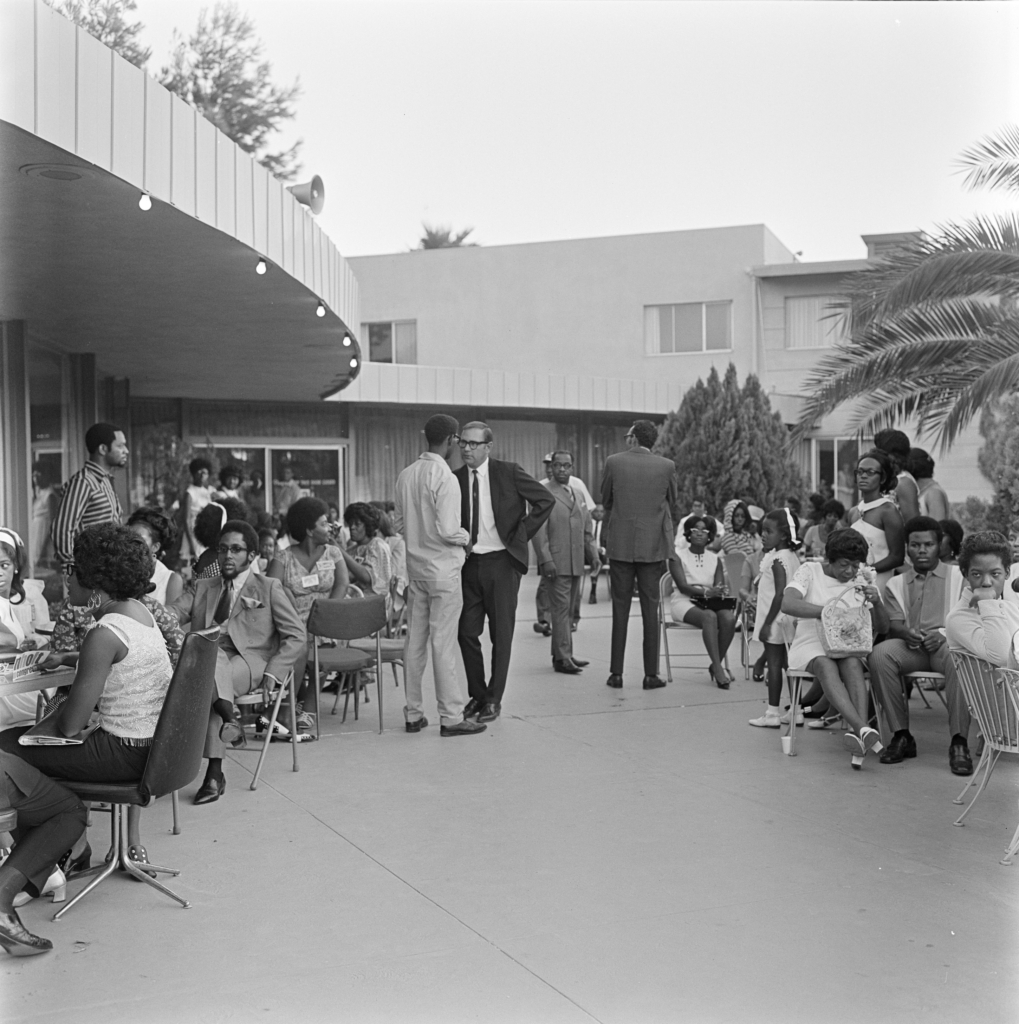
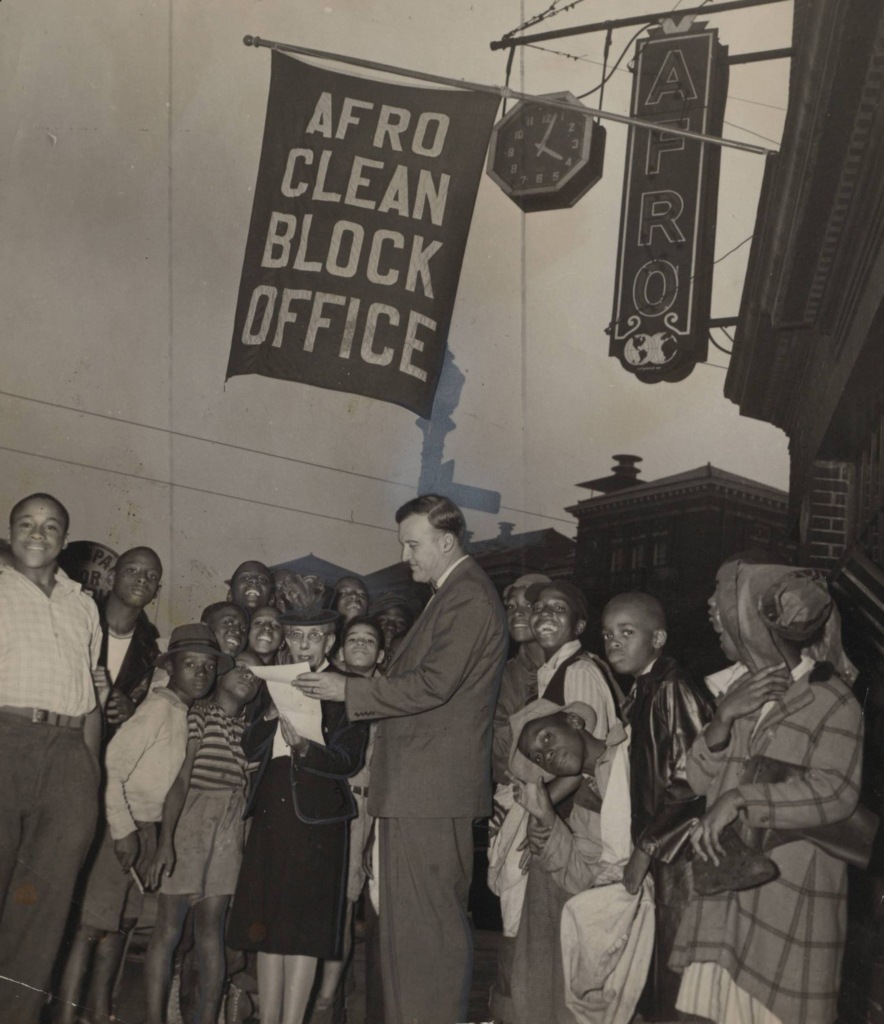
About Black Photojournalism
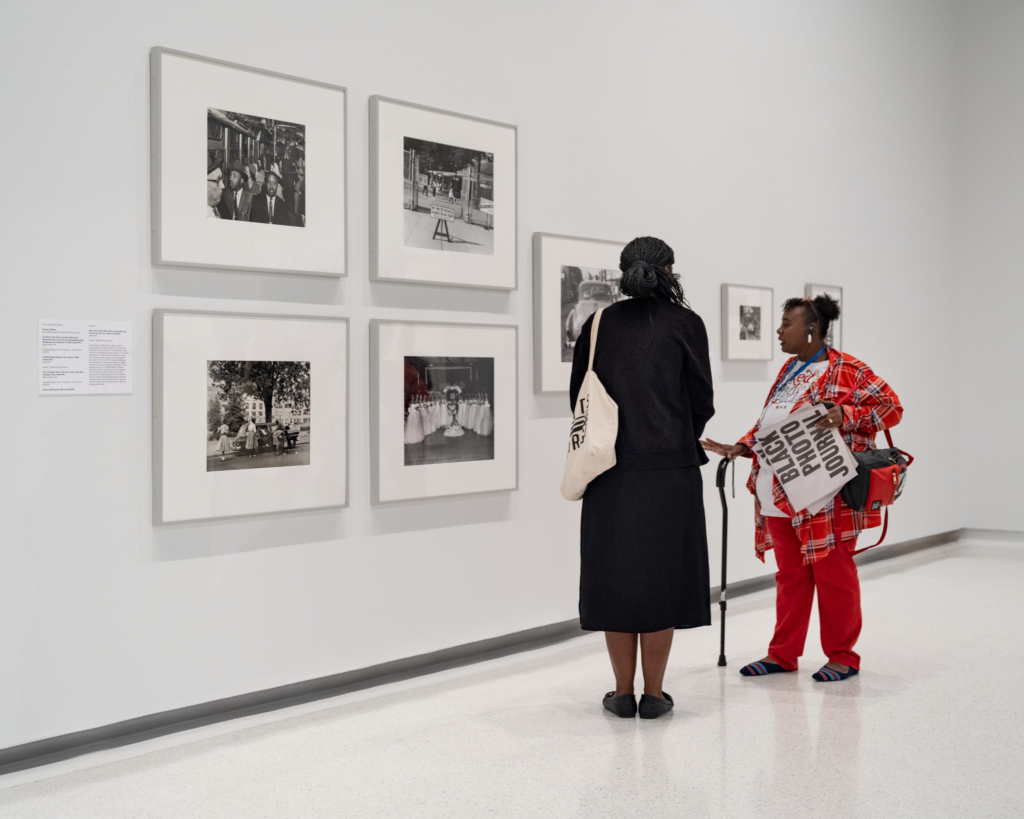
Sept. 13, 2025–Jan. 19, 2026
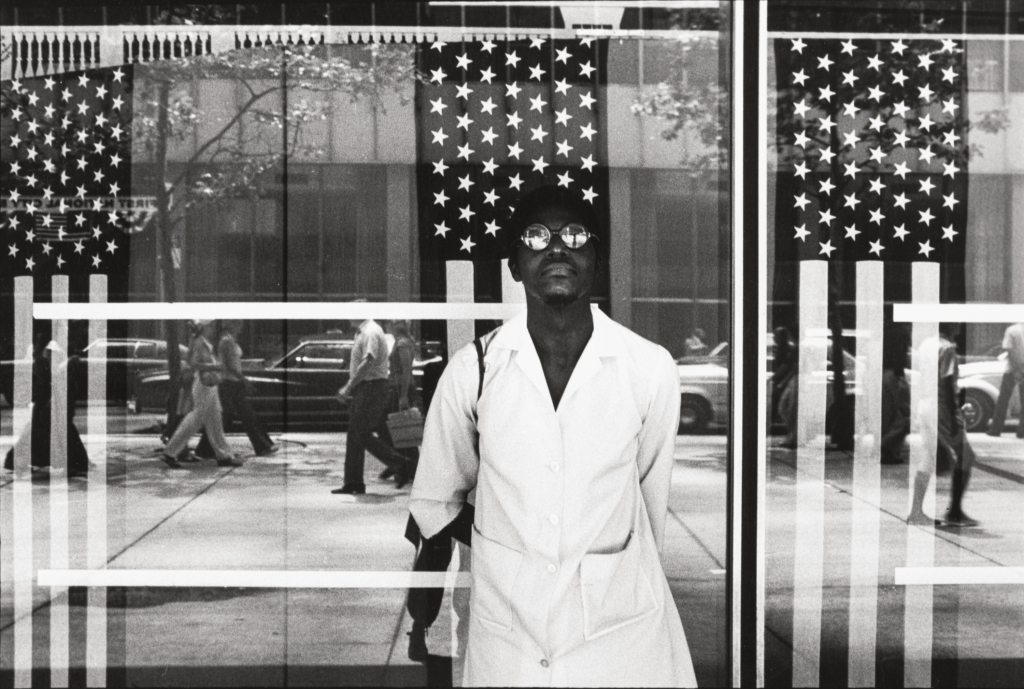
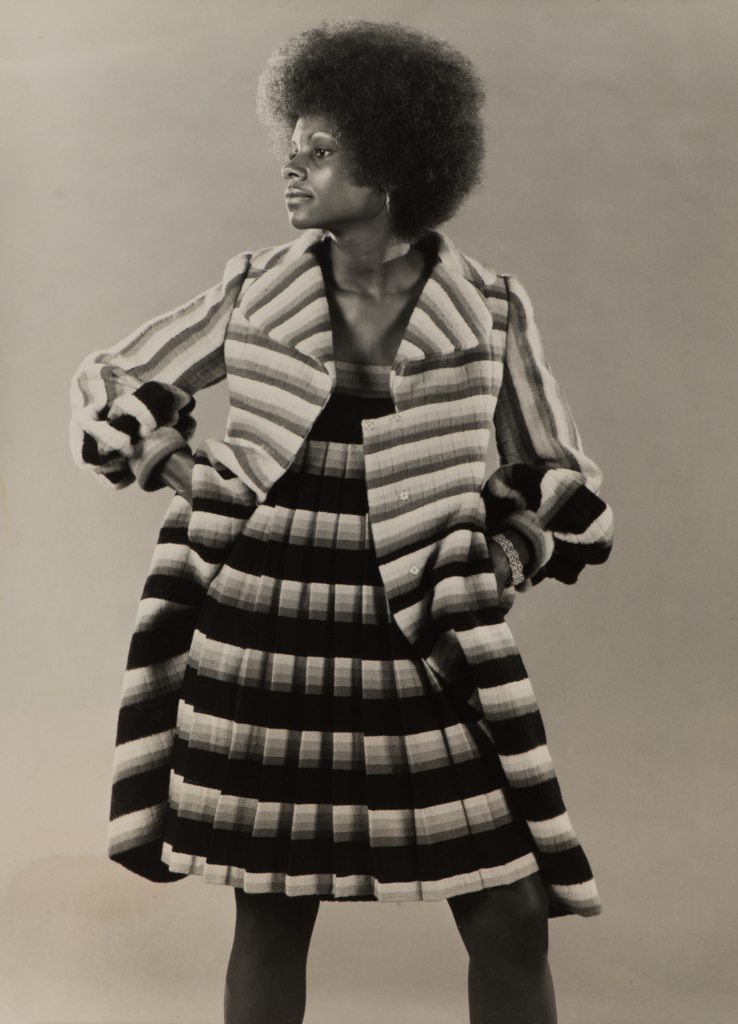
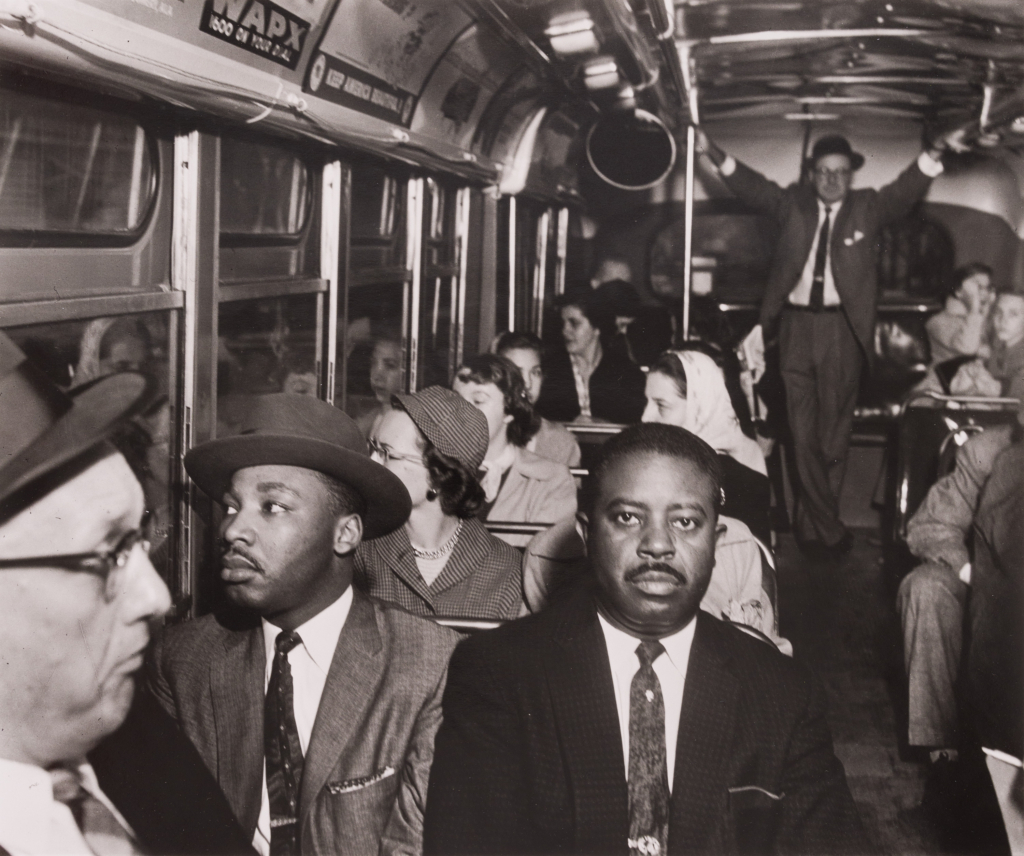
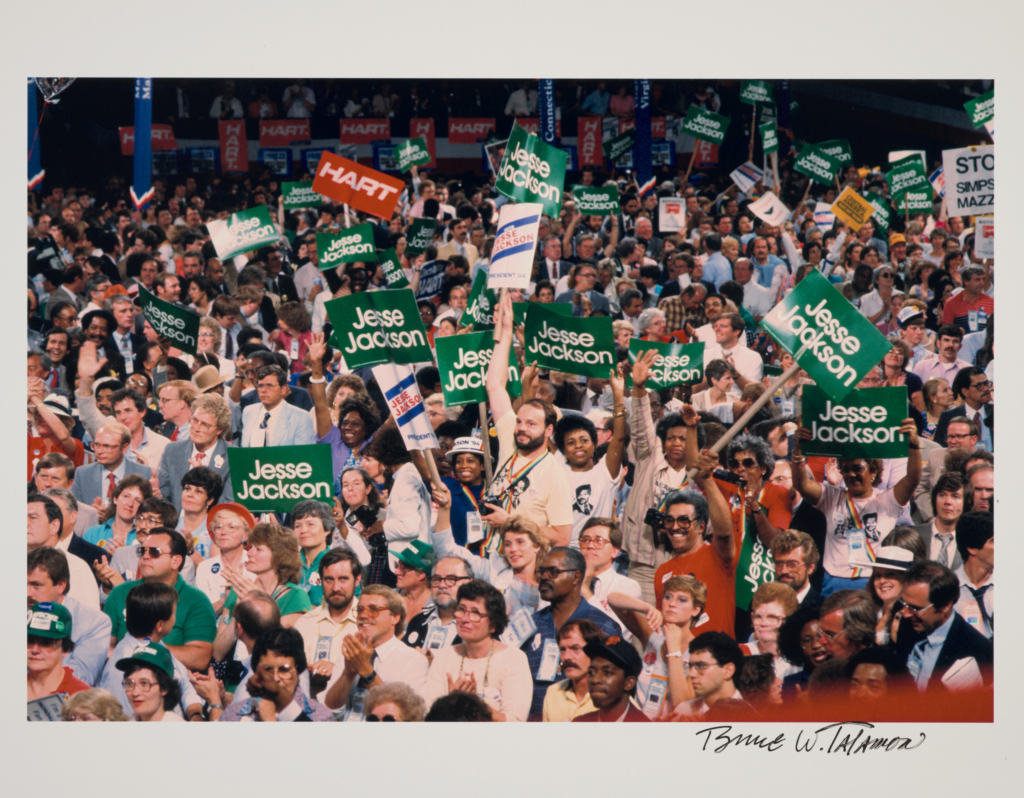
Black Photojournalism presents work by more than 40 photographers chronicling historic events and daily life in the United States from the conclusion of World War II in 1945 to the presidential campaigns of 1984, including the civil rights movements through the 1950s, 60s, and 70s.
Credits
Black Photojournalism is co-organized by Dan Leers, curator of photography, and Charlene Foggie-Barnett, Charles “Teenie” Harris community archivist, in dialogue with an expanded network of scholars, archivists, curators, and historians.
The Black Photojournalism podcast series is produced by SandenWolff, Inc.
Executive Producer, Writer, Story Editor: Rachel Wolff
Editing: Thomas Lange and Jonathan Sanden
Original music: Noah Therrien
Support
Black Photojournalism is presented by BNY.
Major support for this exhibition has been provided by the Virginia Kaufman Endowment. Significant support for this exhibition has been provided by the Terra Foundation for American Art.
Black Photojournalism has been made possible in part by a major grant from the National Endowment for the Humanities: Democracy demands wisdom.
Support for this exhibition’s catalogue has been provided by Arts, Equity, & Education FundTM, the Wyeth Foundation for American Art, and John Bauerlein.
In-kind support for this exhibition has been provided by Herman Miller.
Carnegie Museum of Art’s exhibition program is supported by the Carnegie Museum of Art Exhibition Fund and The Fellows of Carnegie Museum of Art.
Carnegie Museum of Art is supported by The Heinz Endowments and Allegheny Regional Asset District. Carnegie Museum of Art receives state arts funding support through a grant from the Pennsylvania Council on the Arts, a state agency funded by the Commonwealth of Pennsylvania.
Any views, findings, conclusions, or recommendations expressed in this exhibition do not necessarily represent those of the National Endowment for the Humanities.




More Podcasts from Carnegie Museum of Art
Mirror with a Memory turns to artists and thinkers to unpack the ways in which the collision of photography, surveillance, and artificial intelligence impacts everyone.
Hosted by tennis champion, entrepreneur, and arts advocate Venus Williams, and featuring acclaimed contributors, Widening the Lens uncovers relationships between photography and the environment.
Carnegie Museum of Art and WQED-FM present Artists in the World, a podcast that opens conversations between artists and their contemporaries.