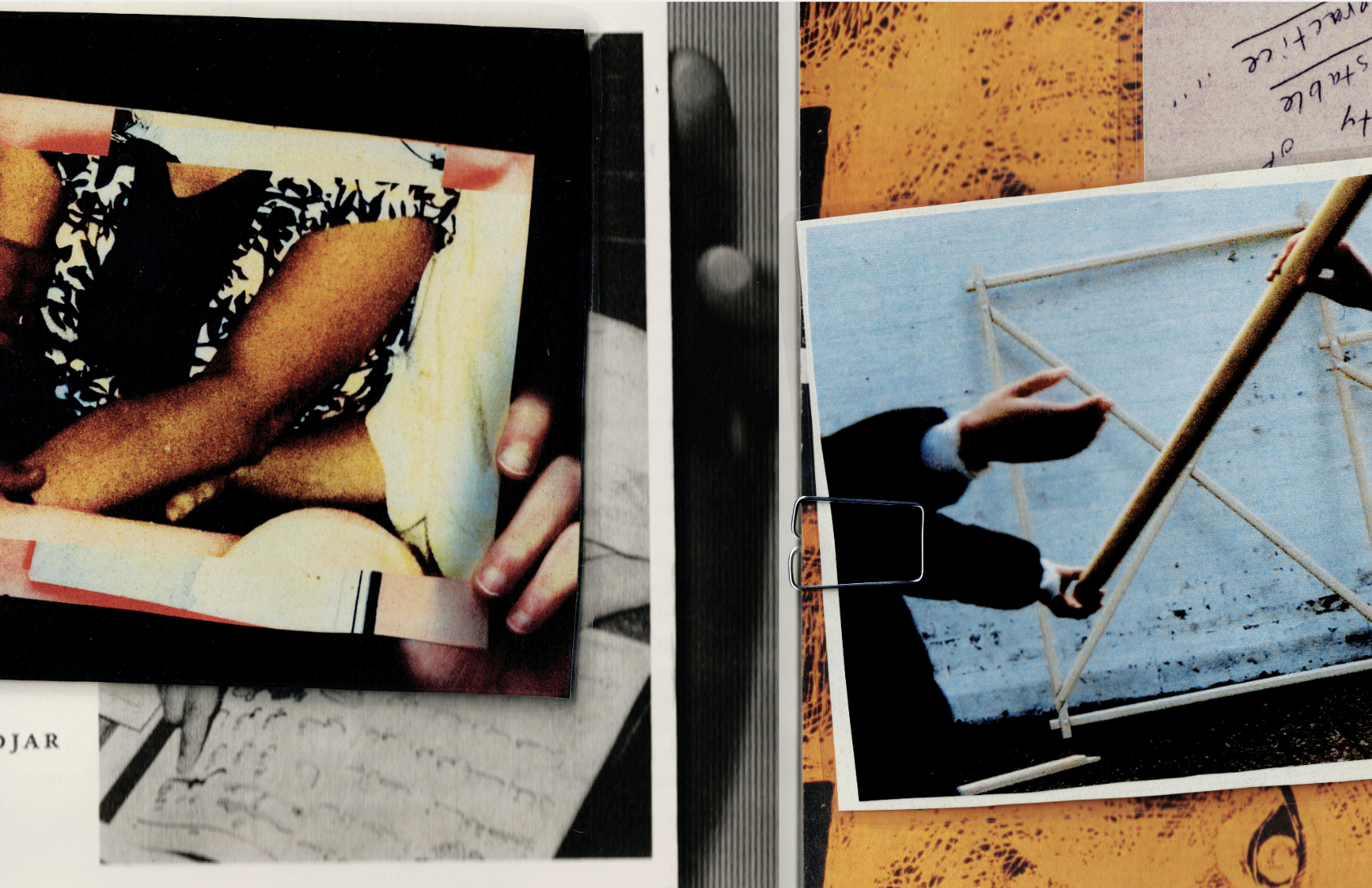
In ungovernable study: on the land…in the poem, artist kimi malka hanauer stewards an iteration of their ongoing initiative—an informal network of cultural practitioners and organizers co-building a fractal and living curriculum on ungovernability now. ungovernable study, a nomadic effort which has fluctuated in formats and locations since 2021, traces ungovernability as disavowed modes of being and relating within the inherently unassimilable edges and fissures of empire. Through dedicated partnerships and open invitations, ungovernable study tends an online and print-based library, facilitates spaces for shared study, and publishes resources in support of anti-imperial processes within the imperial core.
Initiated alongside the International, the initiative’s 2026–27 constellation of workshops and conversations, on the land…in the poem, is facilitated autonomously through dispersed convenings in local ecosystems by informal groups, practitioners, and organizations with their constituencies. In partnership with Pittsburgh-headquartered artist cooperative Justseeds, the curriculum’s learning and teaching resources will be distributed as a series of newsprint broadsheets in the mail and on the streets where its activities unfold. The series, produced with ungovernable study assistant editor Anna Cho–Son, grounds multi-format contributions, including popular education resources, conversations with youth and movement elders, and artistic research that surface dislocated lineages and practices of noncooperation and collectivization.
Acting as an urgent document of persistence, on the land…in the poem traces insurgent socialities in the before, beyond, and through perpetual repetitions of mass violence rooted in the genocidal orders and origins of empire. Contributors look to actions and inactions that undermine imperial conceptions of order, stability, and progress, inhabiting borderlines often reinscribed through public platforms of international cultural cooperation. As kimi malka hanauer prompts,
To be ungovernable in and as study is not an attempt at transgressing imperially- and colonially-prescribed borders. Rather, ungovernability is a call toward inhabiting the structural and disavowed transgressions that already form the imperial grounds on which we dwell and the fragmented interior worlds which we carry. It’s here—in the tenacity of unchosen embodiments of instability, movement in perpetual excess, speech implausibly out of bounds, ruptured lifeways in perpetual denial—where we might denaturalize empire’s vision of totalizing control. It’s here, where we might prepare a ground for other worlds to grow.1
The curriculum’s title, a reference to resistance poet Mahmoud Darwish’s 1992 ode “Eleven Stars Over Andalusia [al-Andalus],”2 looks to the poet’s life and work as a model for a poetics of liberation. An insurrection, the Invisible Committee declares, spreads by resonance, it “takes the shape of a music, whose focal points, though dispersed in time and space, succeed in imposing the rhythm of their own vibrations, always taking on more density.”3 Thinking alongside mutual-aid groups, independent publishers, tenants unions, political education initiatives, and others, this emergent collection dwells in the intimacies that sustain continuities of revolt, while reckoning with the role of imperial cultural institutions in assimilating efforts aimed at the abolition of empire and diverting them to stabilize the state.4
This iteration of ungovernable study is in dialogue with kimi malka hanauer’s ongoing body of work on the after-ending of al-Andalus,5 tracing the persistence of imperially dislocated familial lineages against discourse that inscribes their life-ways’ “end.”6 Drawing on the temporal location of the after-ending as an irreconcilable point of departure,7 on the land…in the poem invites reckonings with the uses and abuses of cultural practices that seek to expand horizons of ungovernability, “The after-ending might begin in language, but it tasks us with material demands: to return that which empire claims as its so-called untouchable ruins.”8
Explore: ungovernable study online library.
Read: toward an ungovernable study: disordering the stacks by kimi malka hanauer on Landscapes by A Blade of Grass.