Carnegie Museum of Art is embarking on a transformative effort to revitalize its building and grounds—redefining how visitors experience art, connect with one another, and engage with Pittsburgh’s vibrant cultural life.
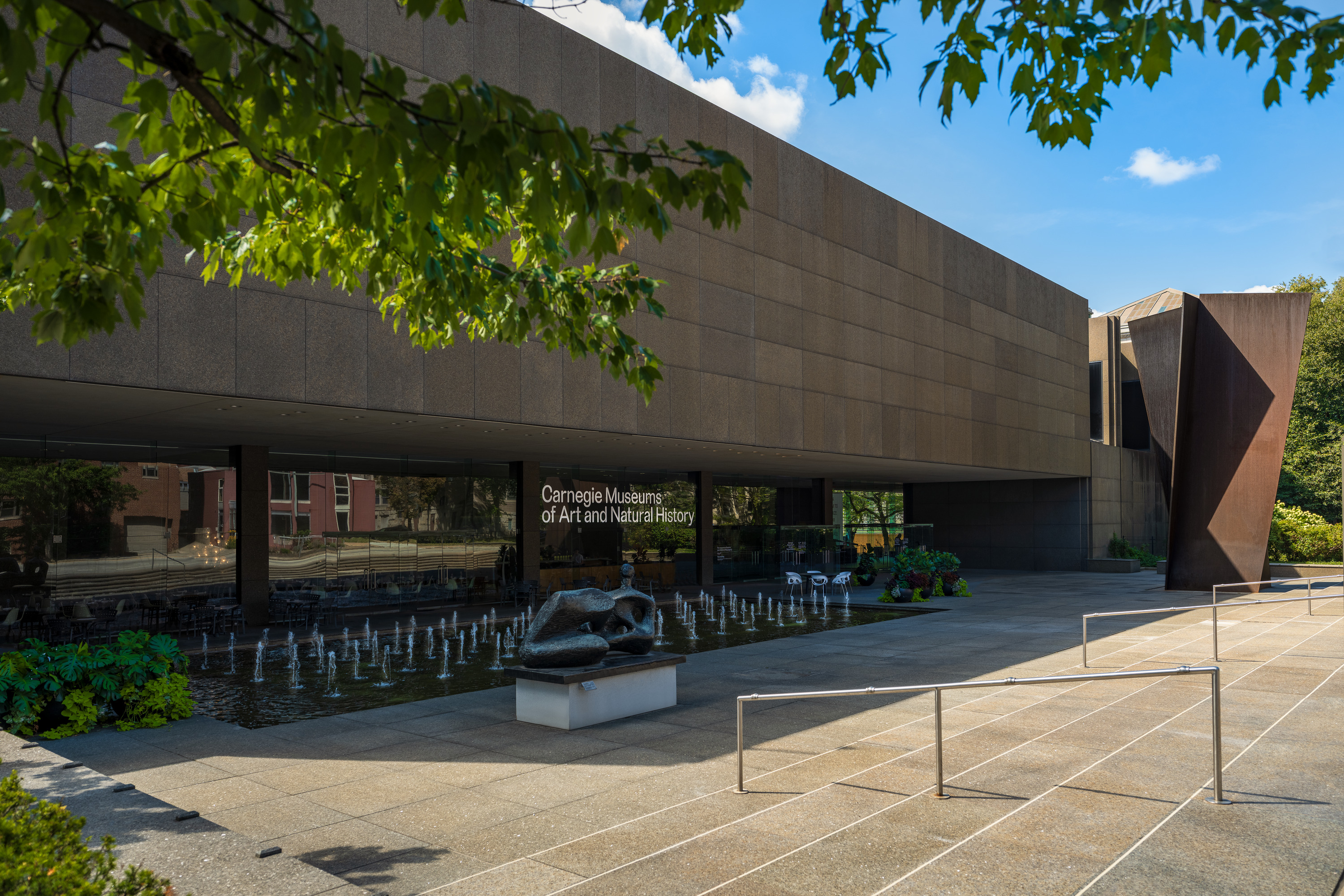
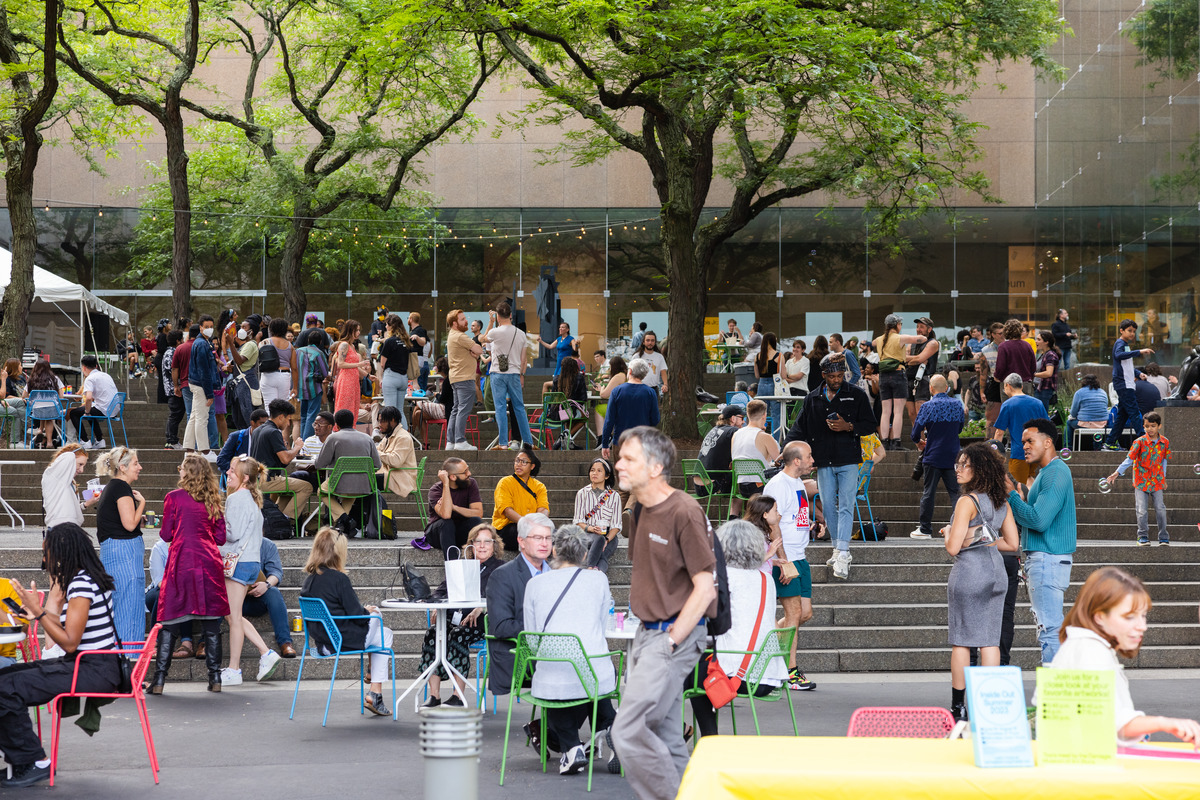
Through a series of strategic capital projects, the museum will refresh its most public-facing spaces—including entrances, plazas, and shared amenities with Carnegie Museum of Natural History—to strengthen its role as a welcoming cultural landmark along the Forbes Avenue corridor. Enhanced accessibility, sustainable landscaping, new public art installations, and expanded gathering areas will create a more open, inclusive, and connected campus. Centered on the Sarah Scaife Gallery—the 1974 addition by renowned architect Edward Larrabee Barnes—this transformation will honor the building’s architectural legacy while making the museum’s mission visible in new ways. The redesign will thoughtfully respond to Dan Kiley’s original landscape plan, preserving its intent while adapting the campus to meet contemporary needs through accessible, people-centered design. Collaboration with Carnegie Museum of Natural History will further ensure that the landscape reflects sustainable practices and the region’s ecological character.
Critical infrastructure upgrades—such as a new roof, a modern art freight elevator, and fully renovated restrooms—will protect the museum’s collections, improve operations, and significantly elevate the visitor experience. Beyond these essential improvements, Carnegie Museum of Art continues to prioritize ambitious future projects, including a reimagined lobby and Sculpture Court, which will further transform how the public enters, gathers, and experiences the museum.
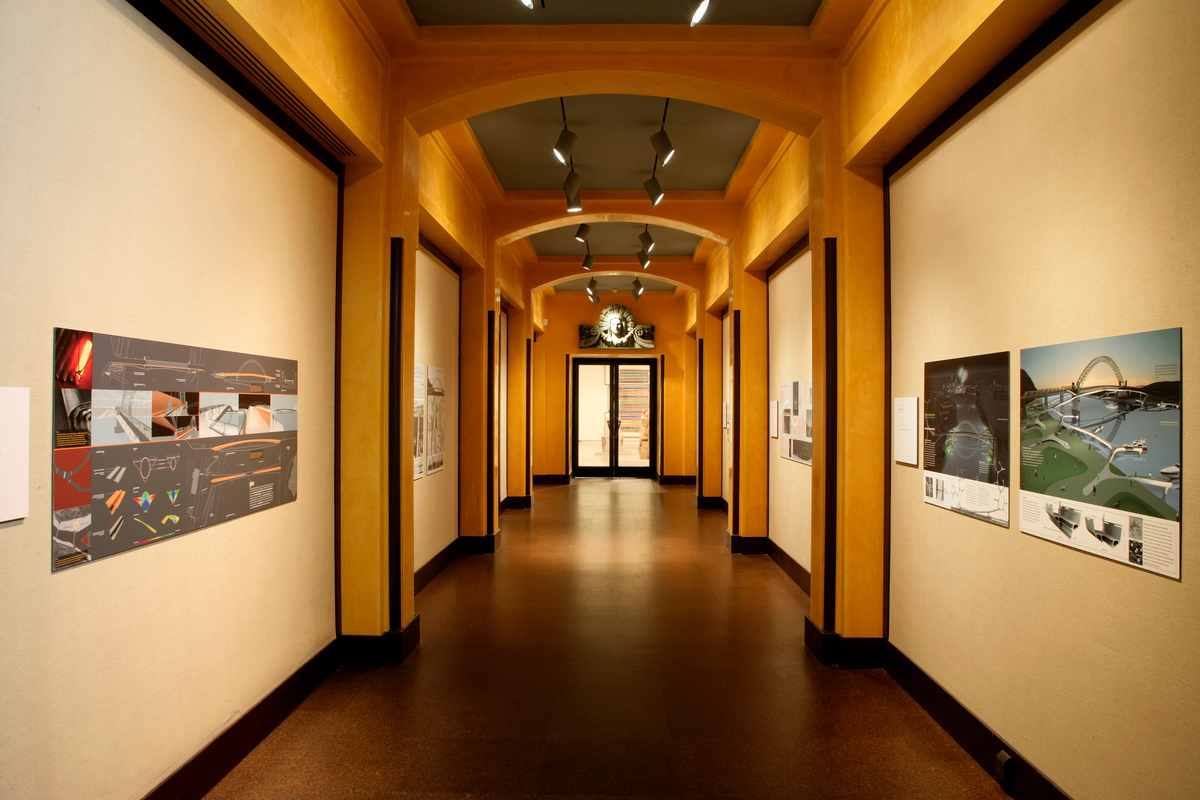
A key component of this vision is the reinvention of the Heinz Architectural Center as a forward-looking hub for exhibitions, research, and community engagement. New gallery spaces, a collection study center with controlled natural light, and improved visibility between workspaces and exhibitions will create a dynamic environment that supports both preservation and innovation.
Rooted in its legacy as the nation’s first museum dedicated to contemporary art, Carnegie Museum of Art is deepening its commitment to being a dynamic civic space—one that fosters dialogue, creativity, and connection. By reimagining its campus with intention and inclusivity, Carnegie Museum of Art is building a more responsive, inspiring, and enduring experience for all who walk through its doors.