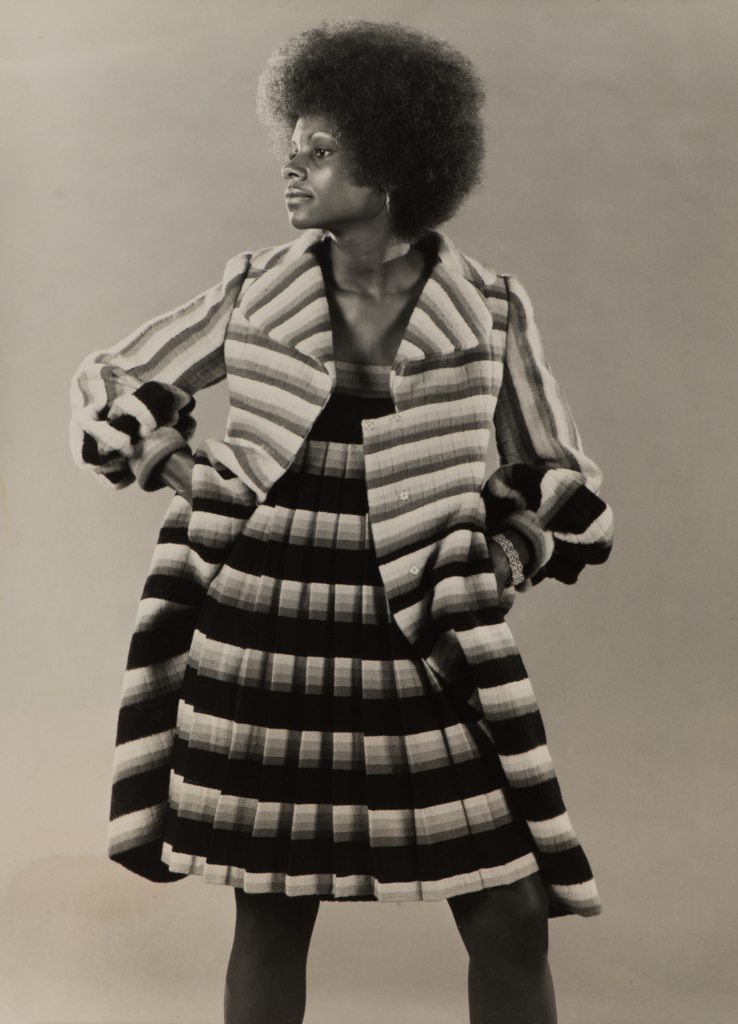
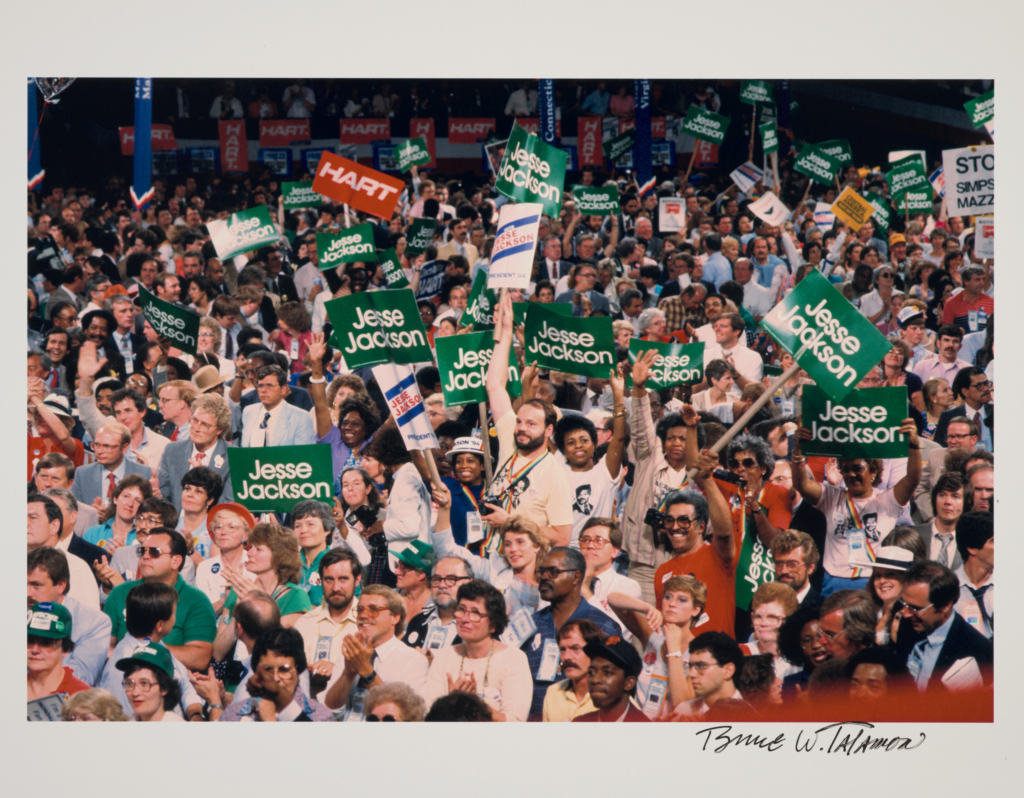
There are two different stories this episode of Black Photojournalism: one rooted in Southern California, where Bruce Talamon got his start photographing the legends of R&B and soul; the other up north, in and around Oakland, where filmmaker Stanley Nelson documented the Black Panthers becoming their own image-makers which they used to build a movement.
Black Photojournalism Episode 4: California
Podcasts
Dec. 3, 2025
Contributors in This Episode
Born in Los Angeles in 1949, Bruce Talamon made his name chronicling the golden age of soul, funk, and R&B in the 1970s and 1980s. He pursued a degree in political science at Whittier College in California, and then studied abroad in Berlin, where he obtained his first camera and decided to become a professional photographer. In 1972, he photographed backstage at the Watts Festival in Los Angeles and began making portraits of musical legends. The 2018 publication Bruce W. Talamon: Soul, R&B, Funk, Photographs 1972–1982 includes many of his iconic pictures of musicians and performers, including James Brown, Aretha Franklin, Marvin Gaye, the Jackson Five, and Diana Ross, among others. Over the course of his career, Talamon has had an extensive client list and photographed for the Los Angeles Times, New York Times, People, Rolling Stone, Hello, Paris Match, Vanity Fair, Ebony, and Jet.
Stanley Nelson is the foremost chronicler of the African American experience working in nonfiction film today. A MacArthur “Genius” Fellow, Nelson was awarded a Peabody in 2016. He has received numerous honors over the course of his career, including the 2016 Lifetime Achievement Award from the National Academy of Television Arts Sciences. In 2013, President Barack Obama presented Nelson with the National Medal in the Humanities. Nelson’s film The Black Panthers: Vanguard of the Revolution (2016) is the first comprehensive, feature-length documentary portrait of that iconic organization. The film won the 2016 NAACP Image Award. Another notable films is the Emmy-nominated The Black Press: Soldiers Without Swords (1999), a sweeping portrait of over a century of independent Black journalism. In 2000, Nelson, along with his wife, Marcia A. Smith, founded Firelight Media and Firelight Films to support and facilitate the nonfiction work of filmmakers of color.
More Episodes
About Black Photojournalism
Sept. 13, 2025–Jan. 19, 2026
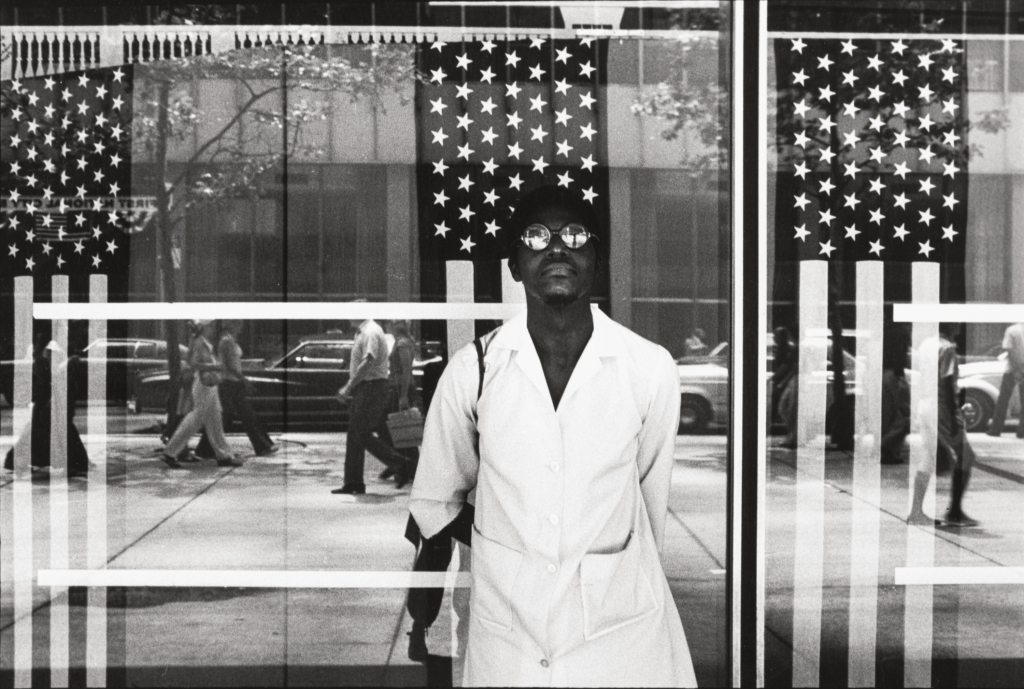
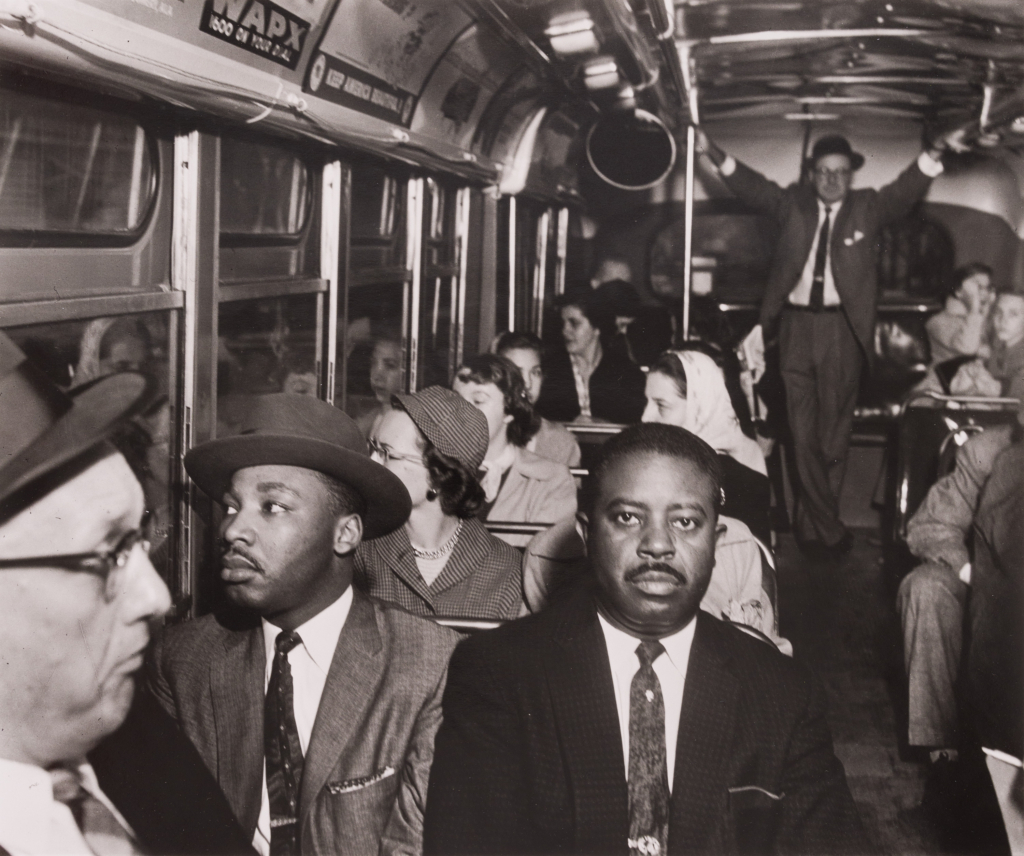
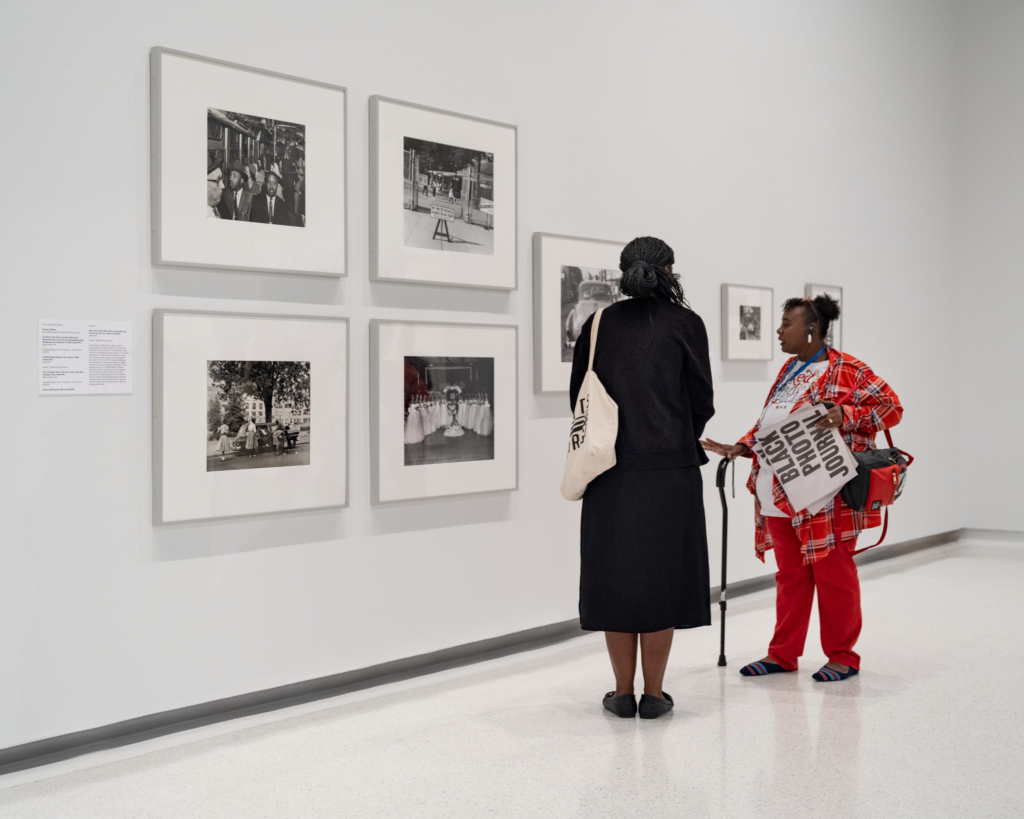
Black Photojournalism presents work by more than 40 photographers chronicling historic events and daily life in the United States from the conclusion of World War II in 1945 to the presidential campaigns of 1984, including the civil rights movements through the 1950s, 60s, and 70s.
Credits
Black Photojournalism is co-organized by Dan Leers, curator of photography, and Charlene Foggie-Barnett, Charles “Teenie” Harris community archivist, in dialogue with an expanded network of scholars, archivists, curators, and historians.
The Black Photojournalism podcast series is produced by SandenWolff, Inc.
Executive Producer, Writer, Story Editor: Rachel Wolff
Editing: Thomas Lange and Jonathan Sanden
Original music: Noah Therrien
Support
Black Photojournalism is presented by BNY.
Major support for this exhibition has been provided by the Virginia Kaufman Endowment. Significant support for this exhibition has been provided by the Terra Foundation for American Art.
Black Photojournalism has been made possible in part by a major grant from the National Endowment for the Humanities: Democracy demands wisdom.
Support for this exhibition’s catalogue has been provided by Arts, Equity, & Education FundTM, the Wyeth Foundation for American Art, and John Bauerlein.
In-kind support for this exhibition has been provided by Herman Miller.
Carnegie Museum of Art’s exhibition program is supported by the Carnegie Museum of Art Exhibition Fund and The Fellows of Carnegie Museum of Art.
Carnegie Museum of Art is supported by The Heinz Endowments and Allegheny Regional Asset District. Carnegie Museum of Art receives state arts funding support through a grant from the Pennsylvania Council on the Arts, a state agency funded by the Commonwealth of Pennsylvania.
Any views, findings, conclusions, or recommendations expressed in this exhibition do not necessarily represent those of the National Endowment for the Humanities.